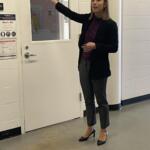
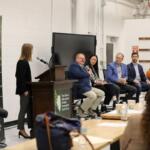
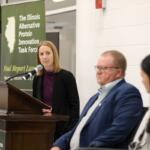
URBANA, Ill. (Chambana Today) — The Illinois Alternative Protein Innovation Task Force released its findings today, unveiling how the state can enhance its position as a leader in agricultural innovation and biomanufacturing. Established by Governor Pritzker in 2023, this task force — the first of its kind in the nation — analyzed how investments in the alternative protein sector can diversify Illinois’ economy, strengthen food security, and enhance the resilience of its food systems. Co-chairs Senator Mattie Hunter and Representative Mary Beth Canty, alongside state researchers and agricultural industry representatives, shared key recommendations in an event at the University of Illinois.
“As we continue to see grocery costs rise and the elimination of SNAP benefits affecting many households, it becomes increasingly clear that initiatives like the Alternative Protein Task Force are more essential than ever. We are not here to replace farmers, but to offer additional, supplemental options that can help ease the burden on families struggling with food costs. Our goal is to educate people on how food can be accessible and affordable, especially in these challenging times. This industry isn’t about substitution or replacement of farmers—it’s about providing families with alternatives that fit their budget and dietary needs while still supporting Illinois’ agricultural economy.” said Illinois State Senator Mattie Hunter (D-Chicago), Task Force Co-Chair.
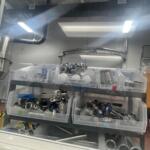


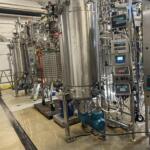
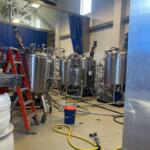
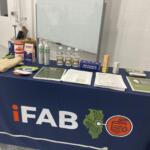
The task force highlighted the growing role of alternative proteins — made from plants, cultivated animal cells, or fermentation — in complementing Illinois’ livestock and meat sectors. By supporting this industry, Illinois can open new markets for its agricultural products and create high-quality jobs across both rural and urban areas. The report also emphasized the need for increased capital access, research and development, workforce training, and a supportive regulatory environment.
“Representing a district in the greater Chicago area, I’ve seen firsthand how quickly Illinois’ food innovation ecosystem is growing. Companies are choosing our great state to create high-paying jobs, collaborate with our universities, and partner with farmers. The Task Force’s recommendations provide a clear path to accelerate that momentum — strengthening our manufacturing base, opening new markets for Illinois crops, and positioning us as a national leader in alternative protein production. I’m so proud to represent a state that is helping build the next generation of food innovation.” said Illinois State Representative Mary Beth Canty (D-54), Task Force Co-Chair. Canty also talked about how the end goal is to make food affordable. “Everything we do is aimed at bringing down the cost of feeding our families. We are constantly looking at incentives, grants, and regulatory issues to ensure that food is not only accessible but affordable.”
With over 30 companies already operating in Illinois, the state ranks among the top three U.S. hubs for alternative protein production, behind California and New York. The report also emphasizes Illinois’ combination of world-class universities, agricultural innovation, and strong manufacturing infrastructure. By leveraging these strengths, the state can become a global leader in food innovation, fostering economic growth and improving food security.
“Expanding alternative protein production in Illinois is ultimately an investment in public health and food security. These products offer nutritious, accessible options that can help families meet their dietary needs while reducing pressures on our food system. By supporting research, innovation, and workforce development, the state can accelerate a healthy, resilient, and more sustainable food landscape. This Task Force lays out a path for Illinois to nourish its communities while advancing solutions that benefit people and the planet,” said Elvira de Mejía, Professor of Food Science at the University of Illinois Urbana-Champaign.
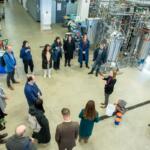

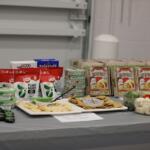


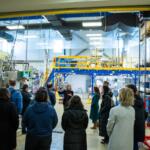
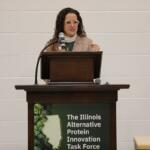

“Illinois has every ingredient needed to lead the future of food. Expanding our alternative protein capacity can complement our existing food and agriculture sectors, opening new markets for Illinois-grown corn, soy, and wheat, and generating high-quality jobs. With targeted investment and smart policy, we can strengthen Illinois’ position at the forefront of this emerging industry.” said Beth Conerty, Associate Director of Business Development at the Integrated Bioprocessing Research Laboratory & Regional Innovation Officer for the iFAB Tech Hub. Connerty added “we’ve seen inflation rise due to external factors like egg shortages and price spikes. Alternative proteins are new, complementary sources of food that not only provide additional options for consumers but also strengthen supply chain resilience. By showcasing these alternatives, we’re helping ensure a more diverse and stable food system.”
The report also found that alternative proteins could play a major role in food security and sustainability by reducing dependency on global supply chains and providing nutritious, affordable food options. Additionally, emerging protein production technologies can improve the efficiency of land, water, and energy use, contributing to Illinois’ goal of achieving net-zero emissions by 2050.
“Alternative proteins are one of the most powerful tools we have to strengthen America’s food security, expand opportunities, and promote both local and national economic resilience — and Illinois is lapping the rest of the country as real leaders in this space. Here in America’s heartland, in the state known for agriculture, manufacturing, and world-class research, Illinois has identified bold, wise, and practical steps to advance the next generation of food innovation. By scaling new technologies, enabling state-of-the-art manufacturing and R&D, and creating new markets that support farmers and workers, Illinois is positioning itself as a national model for a stronger, more resilient food economy,” said Pepin Andrew Tuma, Vice President of Policy & Government Relations at The Good Food Institute.
Key Report Findings:
-
Economic Growth & Innovation: Illinois hosts 30 companies producing alternative protein products, ranking 3rd nationwide. Investments in the alternative protein sector will diversify markets for Illinois crops like corn, soy, and wheat, and strengthen rural economies.
-
Food Security & Public Health: Expanding local alternative protein production reduces reliance on vulnerable supply chains and ensures year-round availability of nutritious foods. Many alternative proteins offer cholesterol-free, fiber-rich options that can improve public health.
-
Sustainability & Climate Leadership: Emerging protein production technologies offer ways to use land, water, and energy efficiently, advancing Illinois’ net-zero emissions goal by 2050. Opportunities for circular economy practices can further boost farm revenues and sustainability.
About the Illinois Alternative Protein Innovation Task Force:
The Task Force was established in 2023 by Governor Pritzker to evaluate how Illinois can capitalize on its agricultural and manufacturing strengths to lead the future of food innovation. The report offers clear recommendations to expand public-private investment, foster workforce development, and enhance Illinois’ global competitiveness in sustainable food production.
About iFAB Tech Hub:
The Illinois Fermentation and Agriculture Biomanufacturing (iFAB) Tech Hub is poised to become the global leader in precision fermentation and biomanufacturing, industries expected to grow to $200 billion over the next 15 years. iFAB combines world-class research, industry expertise, and scalable infrastructure within a 51-mile radius to establish Illinois as a leading destination for biomanufacturing.
About The Good Food Institute:
The Good Food Institute is a nonprofit working to make the global food system better for the planet, people, and animals. The organization partners with businesses, scientists, and policymakers to advance alternative proteins as a solution to meet global food security, climate, and health goals.